
Customer Experience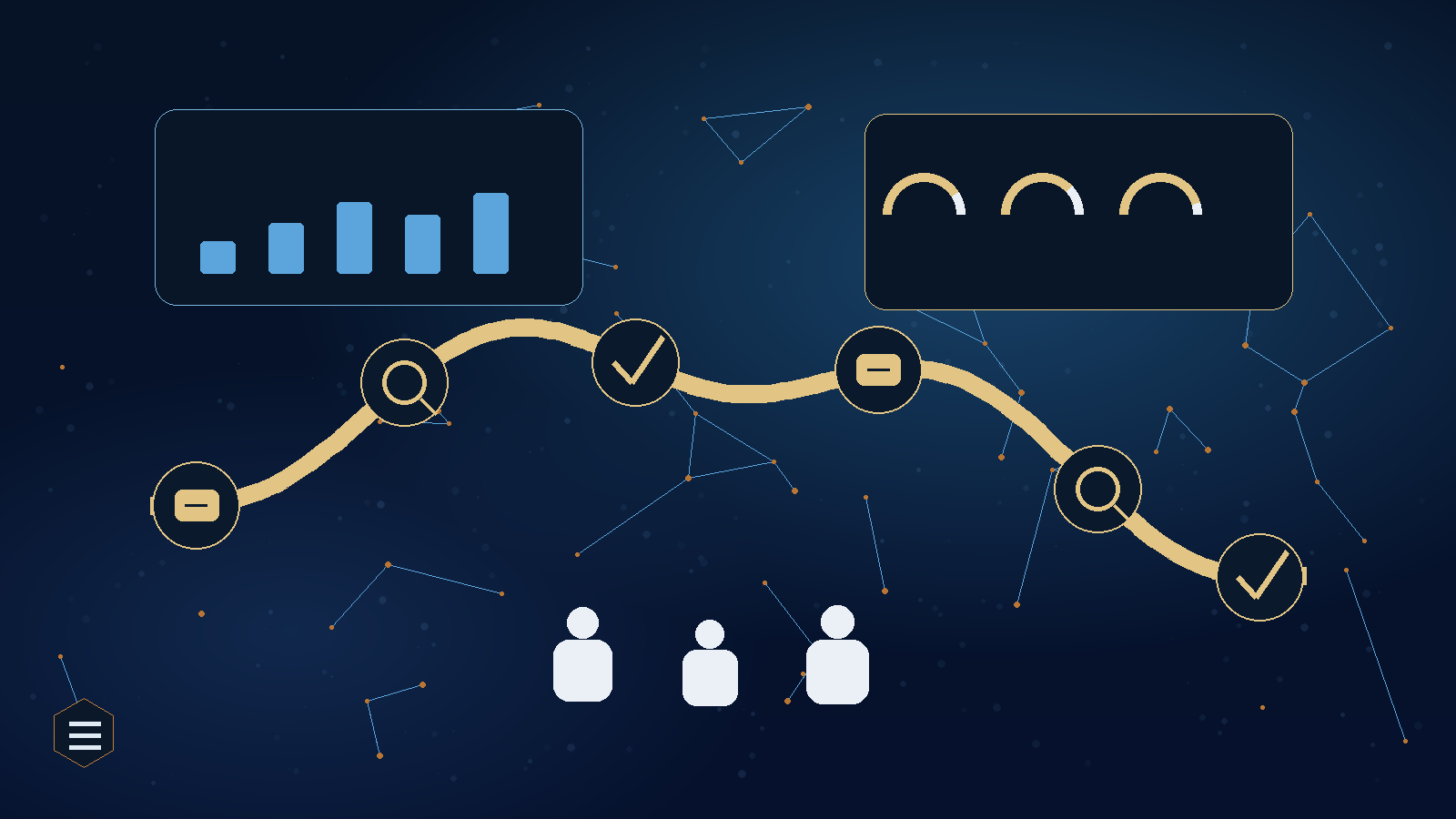
Customer Journey Mapping: A Practical CX Measurement Method
Journey mapping helps organizations understand how customers move across touchpoints, where friction appears and which moments shape satisfaction.
Journey mapping helps organizations understand how customers move across touchpoints, where friction appears and which moments shape satisfaction.
Customer behaviour can feel unpredictable when organizations view interactions only through departments. Journey mapping creates a cross-functional view of what customers try to accomplish, the touchpoints they use and the effort they experience.
A touchpoint view shows individual interactions. A journey view shows sequence, emotion, handoffs, delays and outcomes. This is where hidden friction becomes visible: repeated information requests, unclear status, multiple escalations, broken digital-to-human transitions and weak service recovery.
Journey work should connect to customer effort, first-contact resolution, turnaround time, drop-off, repeat contact, NPS/CSAT, complaint trends and conversion. The best CX metrics are linked to both customer perception and operational performance.
Begin with a priority journey such as onboarding, service request, complaint resolution or renewal. Capture customer goals, channels, systems, ownership, pain points and data signals. Validate the map with customer feedback and frontline teams.
A journey map becomes valuable only when it leads to process redesign, ownership clarity, technology changes, dashboards and governance. The output should be a CX improvement backlog, not a workshop artifact.
Identify one high-friction journey and convert it into a practical CX improvement roadmap.
This insight connects directly to the following Enrich offerings for a focused advisory, diagnostic or implementation conversation.